MALIPAYON PEACE HUB: CREATING A JUSTICE-BASED, PEOPLE-ORIENTED, AND LAND-REGENERATING SYSTEM OF HOLISTIC PROSPERITY
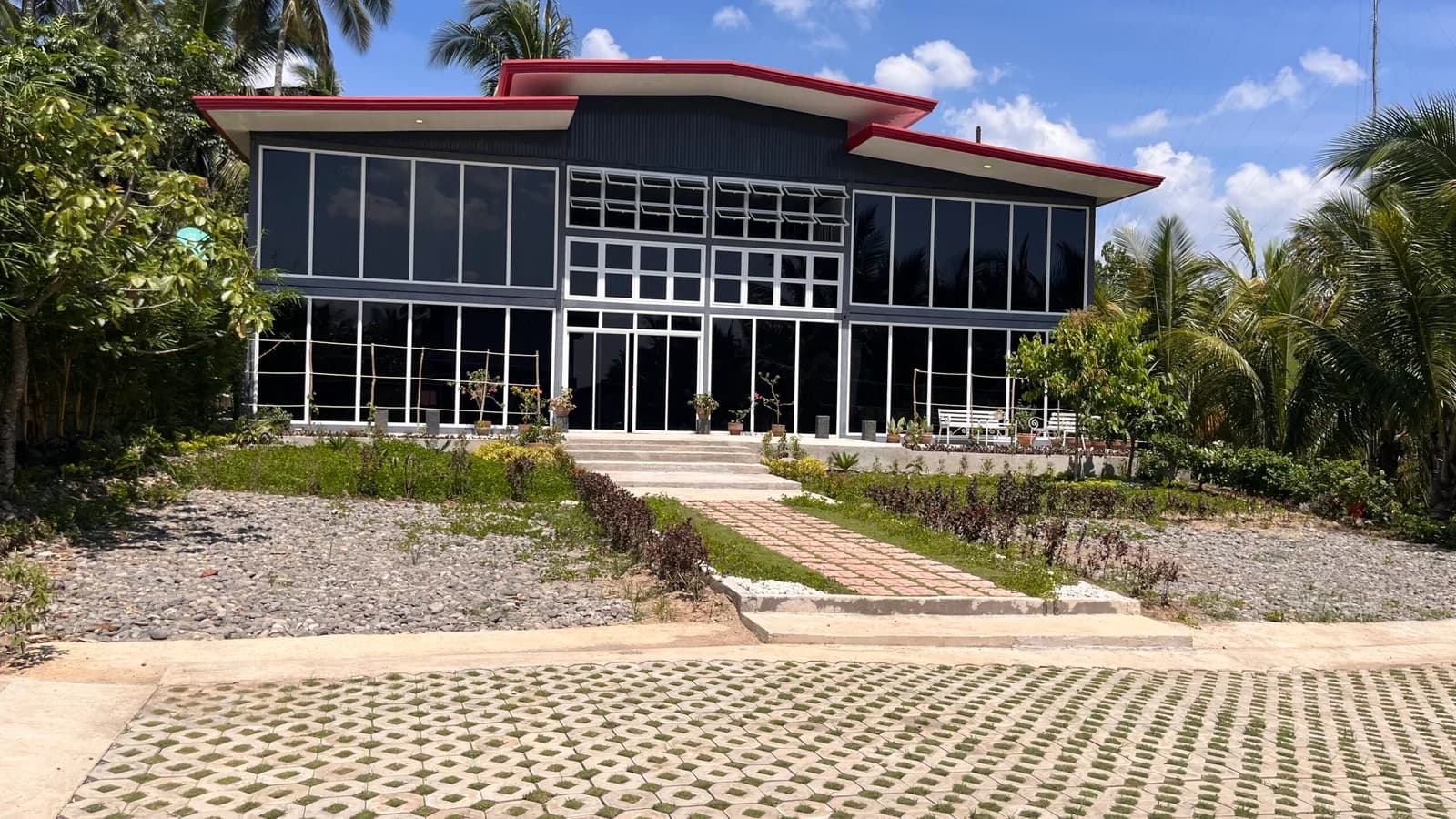
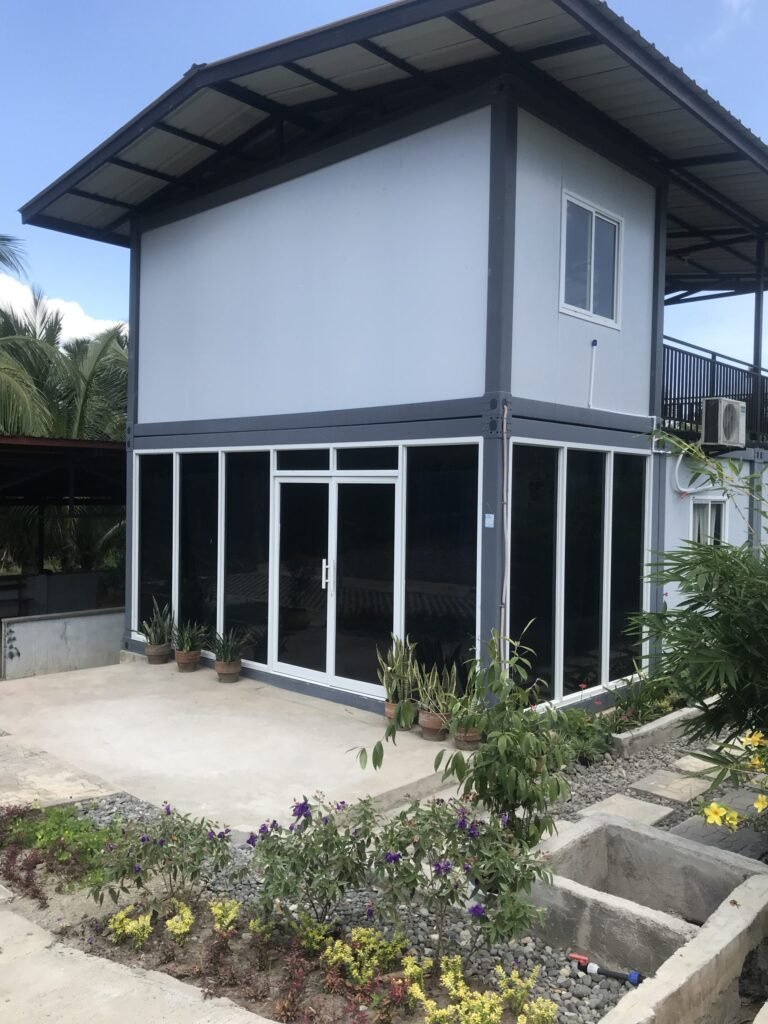
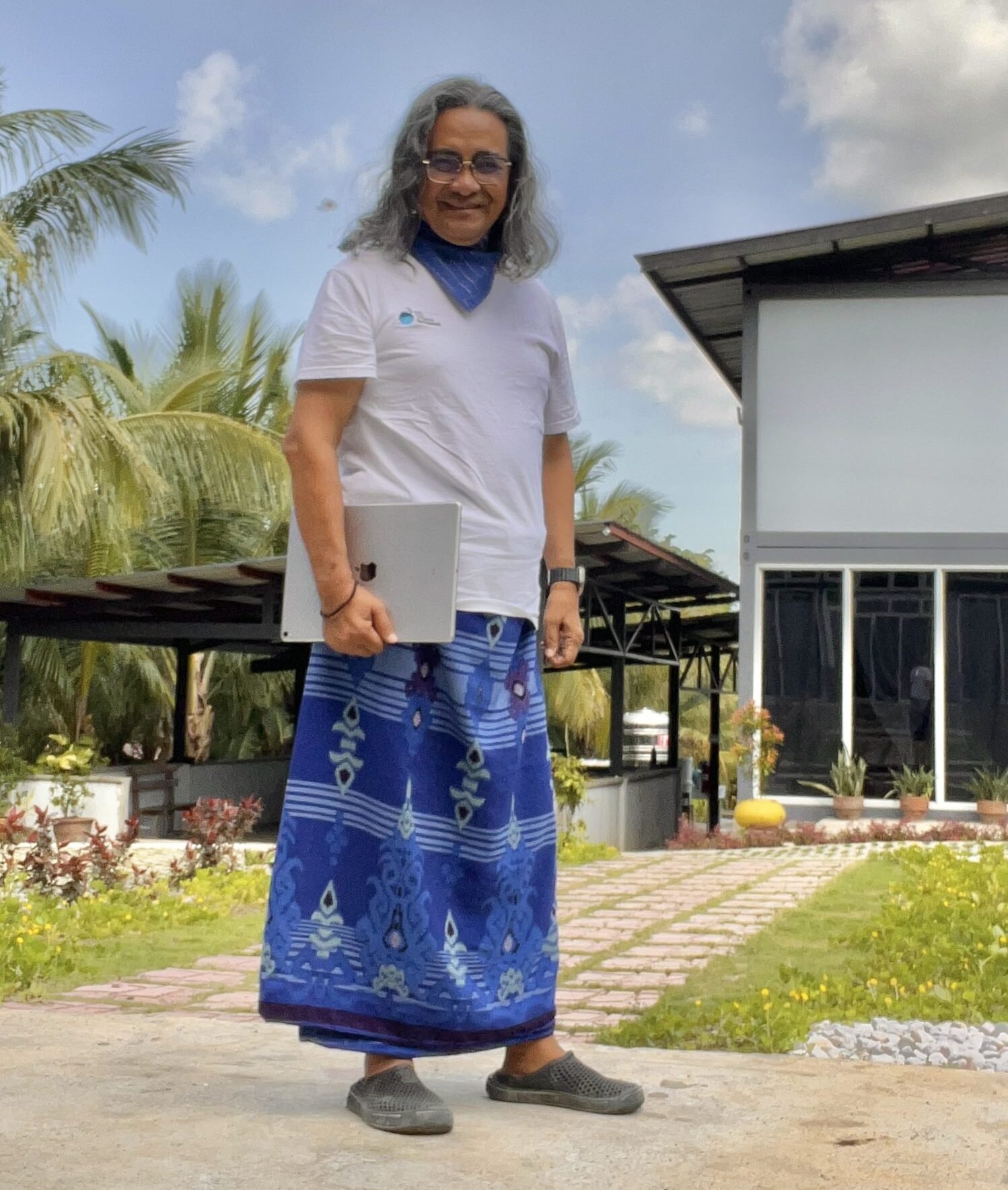
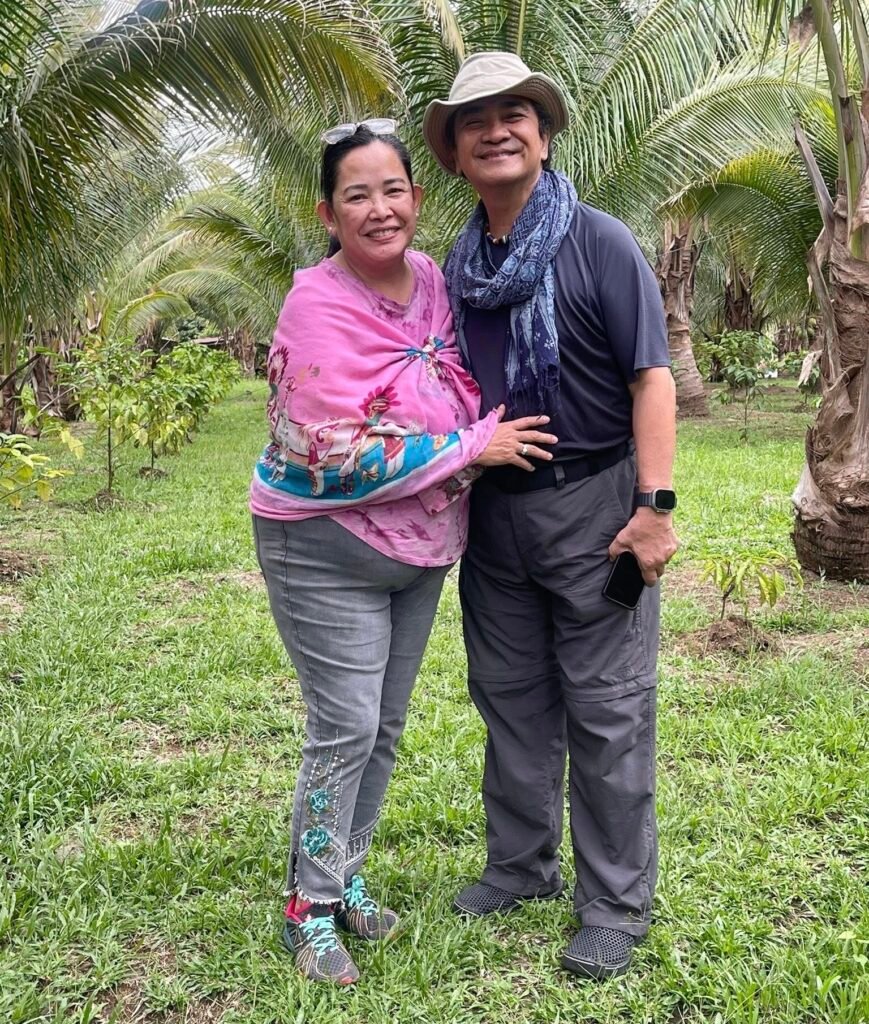
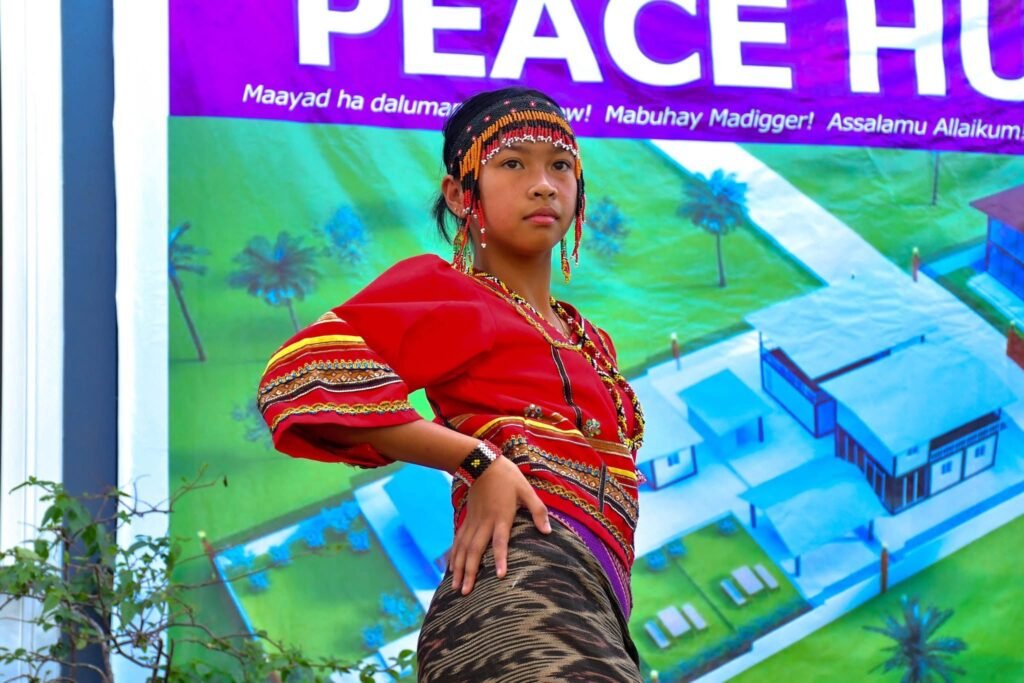
Malipayon Peace Hub is a shared vision of Dann Pantoja (Datu Pugawang) and Joji Pantoja (Bai Kasunayan) for a more just, people-centered, and regenerative future. Rooted in decades of peacebuilding, social entrepreneurship, Indigenous engagement, and community development, the Hub seeks to demonstrate that genuine prosperity is possible when human flourishing and ecological regeneration become inseparable. Inspired by transformative experiences across the Global South, Malipayon brings together peace, justice, Indigenous wisdom, ethical enterprise, regenerative agriculture, environmental stewardship, and intergenerational mentoring. It is envisioned not simply as a physical place, but as a living laboratory where communities can learn, experiment, create livelihoods, restore ecosystems, and nurture relationships grounded in dignity and mutual care. For Dann and Joji, Malipayon represents a continuing journey of hope: creating practical pathways where people, communities, and the land can flourish together—joyfully, sustainably, and peacefully.
A Dream Rooted in the Soil
The future belongs neither to the richest nations nor to the most technologically advanced corporations. The future belongs to communities that learn how to live in harmony—with one another, with the land, and with the Creator.
That is the vision behind the Malipayon Peace Hub.
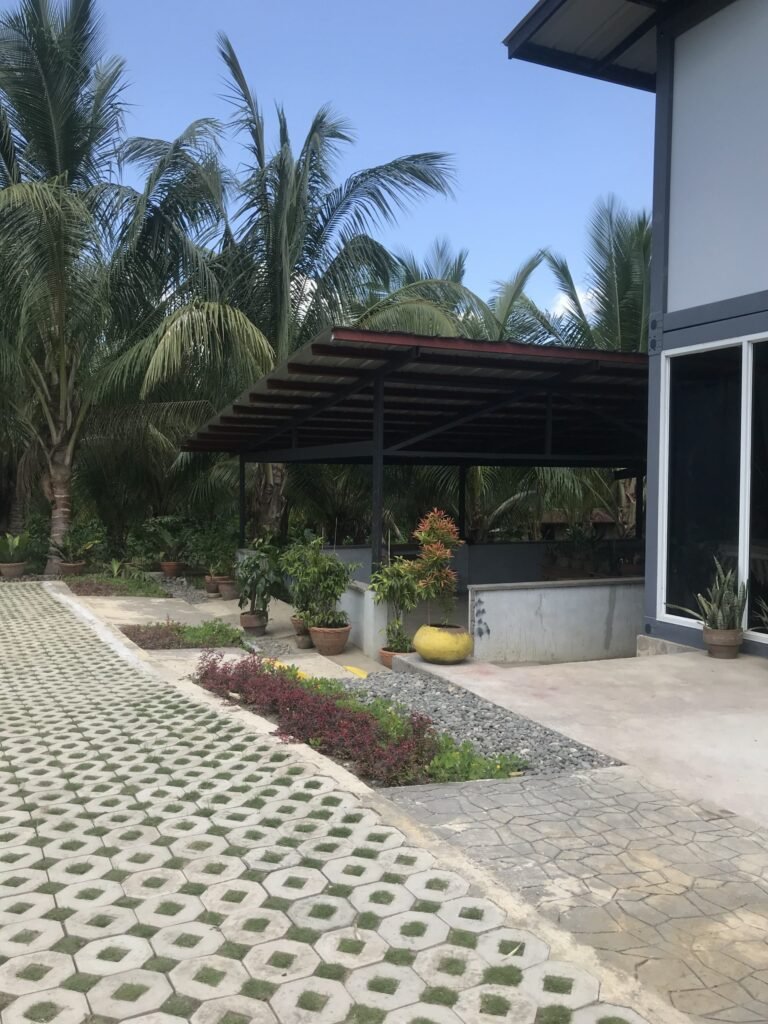
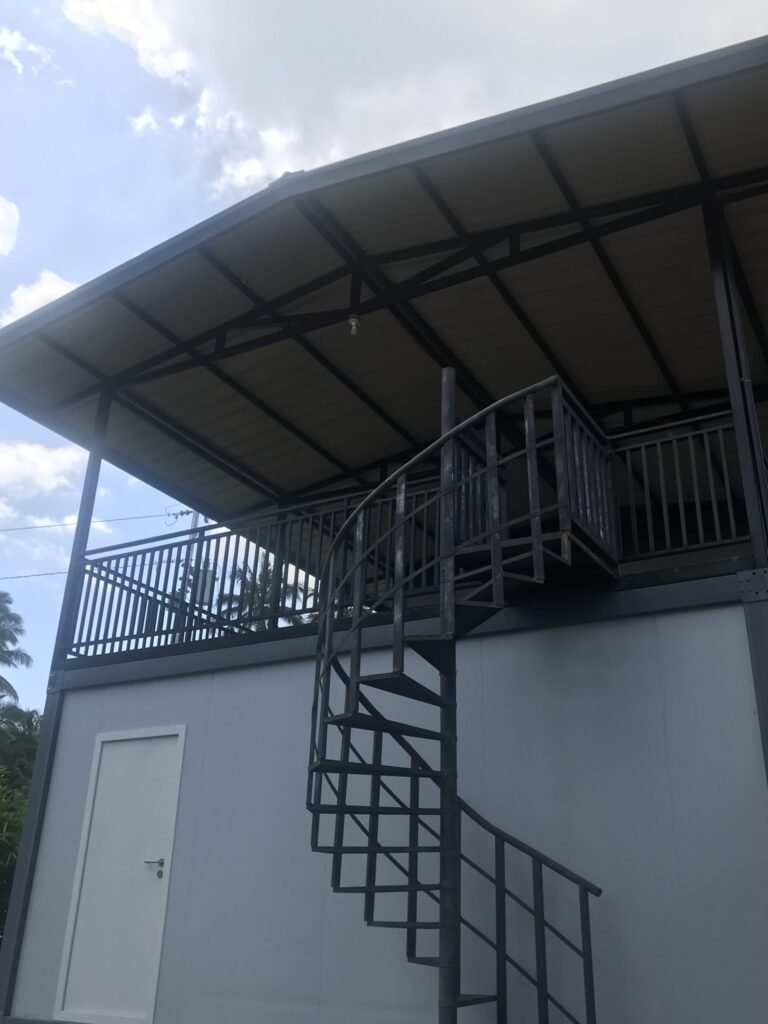
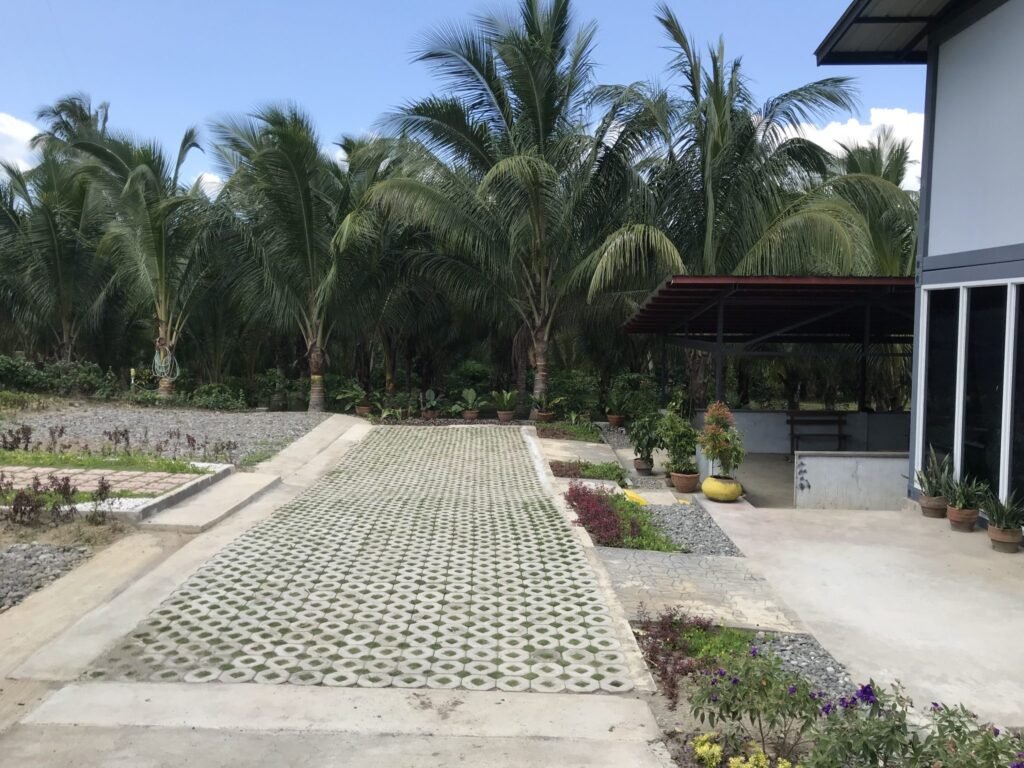
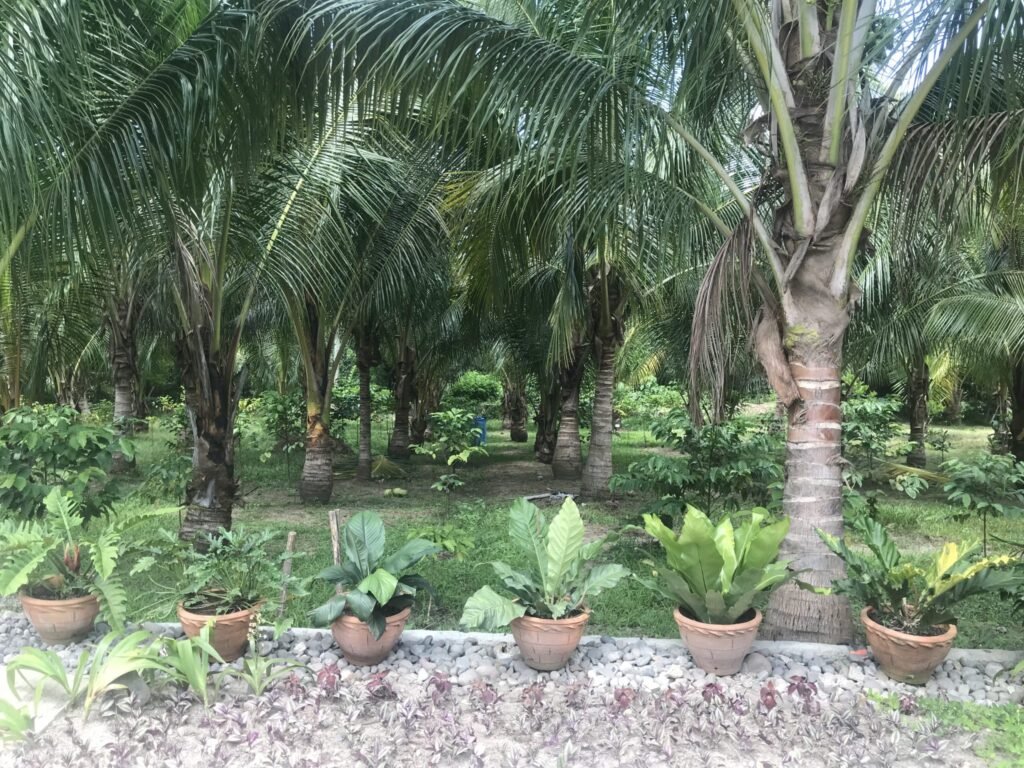
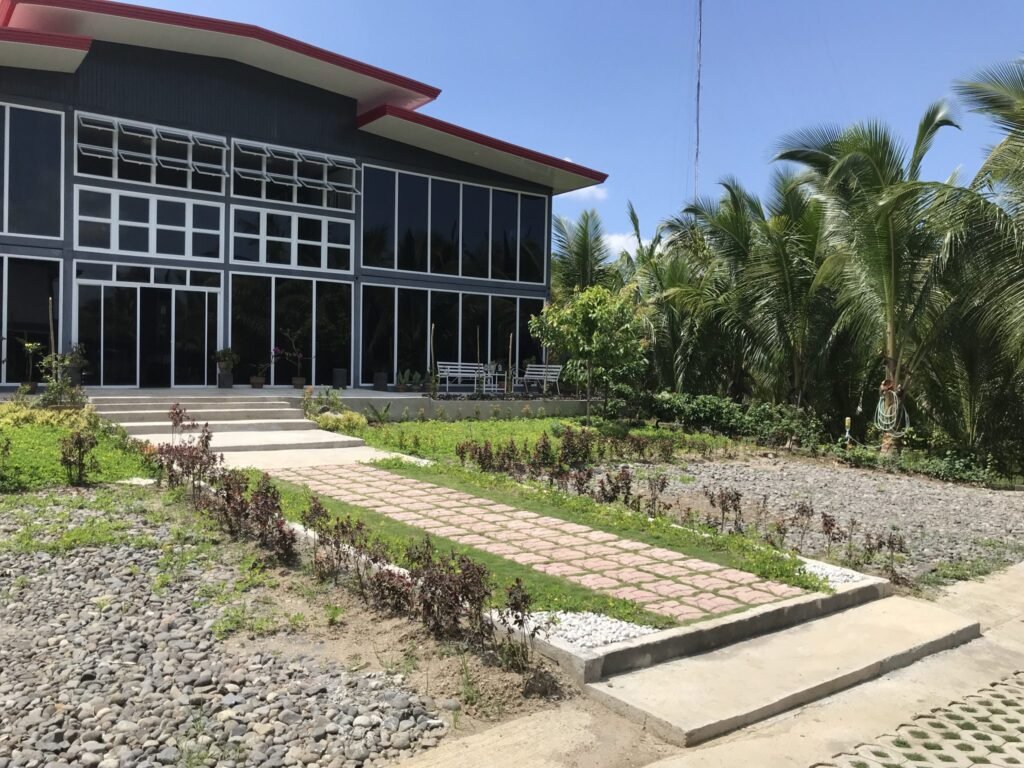
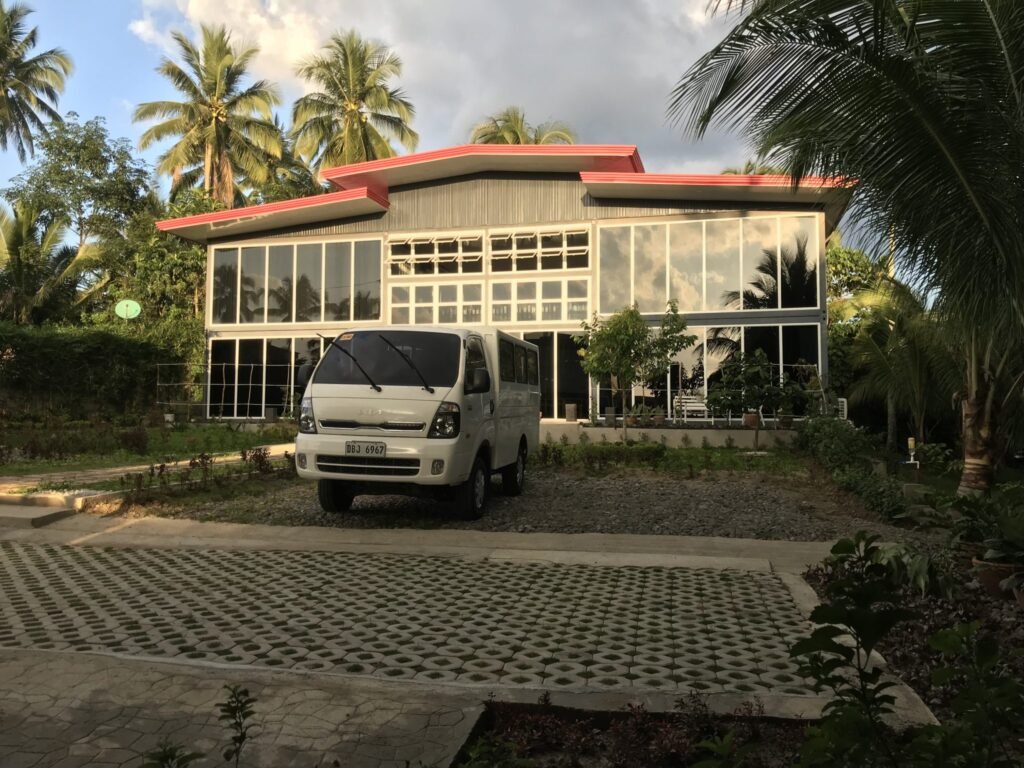
It is not merely a beautiful property in the foothills of Mount Apo. It is an evolving demonstration that another way of living is possible—a way where peacebuilding, regenerative agriculture, Indigenous wisdom, social entrepreneurship, ecological restoration, and spiritual formation are woven together into one living ecosystem.
Rather than asking, “How can we maximize profit?” our guiding question is:
“How can communities flourish together while restoring the land that sustains them?”
This is prosperity with a soul.
Beyond Economic Growth
For decades, many developing countries were taught that development simply meant increasing Gross Domestic Product (GDP). Yet many nations experienced economic growth while inequality widened, ecosystems deteriorated, and communities became increasingly fragmented.
The Global South is now offering another conversation.
Across Africa, Asia, and Latin America, communities are demonstrating that development can be measured not only by financial wealth but also by human dignity, ecological health, social trust, and cultural resilience. The growing global movement toward the Social and Solidarity Economy (SSE) recognizes cooperatives, community enterprises, and people-centered businesses as legitimate engines of inclusive development. The International Labour Organization now identifies the SSE as an important pathway toward decent work, poverty reduction, and human-rights-based development. (ILO)
Malipayon Peace Hub seeks to become one local expression of this global movement.
Learning from the Best of the Global South
The greatest innovations are often born not in wealthy capitals but in communities that have learned to thrive despite scarcity.
:: Muhammad Yunus (Bangladesh)
Nobel Peace Prize laureate Muhammad Yunus reminds us: “Poverty is not created by poor people. It is created by the system.”
His pioneering work in microfinance demonstrated that trusting poor women with capital creates entrepreneurs rather than dependents.
Malipayon Peace Hub embraces the same conviction: every person possesses gifts waiting to be nurtured.
:: Wangari Maathai (Kenya)
The late Nobel laureate Wangari Maathai famously observed: “When we heal the earth, we heal ourselves.”
Her Green Belt Movement proved that planting trees was simultaneously environmental restoration, women’s empowerment, and democratic participation.
Our vision similarly understands land regeneration as community regeneration.
:: José “Pepe” Mujica (Uruguay)
Former President José Mujica challenged the world’s obsession with endless consumption: “Poor are those who need too much.”
His life demonstrated that simplicity can coexist with dignity, joy, and wisdom.
Malipayon Peace Hub values sufficiency over excess and stewardship over accumulation.
:: Elinor Ostrom’s Lessons Applied to the Global South
Although not from the Global South, Nobel laureate Elinor Ostrom’s research confirmed what Indigenous communities have practiced for centuries: local people can successfully govern common resources through trust, shared responsibility, and collective stewardship.
Many Indigenous Peoples in Mindanao have lived this wisdom for generations.
Their knowledge deserves recognition—not replacement.
From Extractive Development to Regenerative Development
The dominant economic model often extracts:
- from forests;
- from rivers;
- from Indigenous communities;
- from farmers;
- from workers;
- from future generations.
Regenerative development asks a different question:
Does every activity leave the land healthier than before?
Regenerative agriculture, watershed restoration, biodiversity protection, agroforestry, circular economies, and renewable livelihoods are increasingly becoming hallmarks of successful Global South initiatives. International organizations and grassroots movements alike are documenting how such approaches improve incomes while restoring ecosystems. (Solidaridad Network Stories)
This is precisely the direction Malipayon Peace Hub desires to pursue.
Peacebuilding as an Economic Strategy
Peace is not merely the absence of armed conflict.
Peace is the presence of justice.
Communities trapped in poverty, discrimination, environmental degradation, or political exclusion cannot fully experience peace.
Likewise, economic systems that enrich a few while impoverishing many cannot sustain peace.
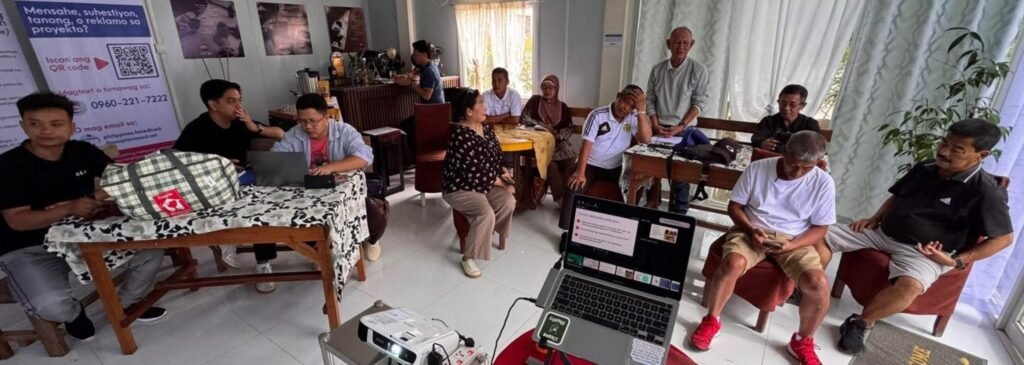
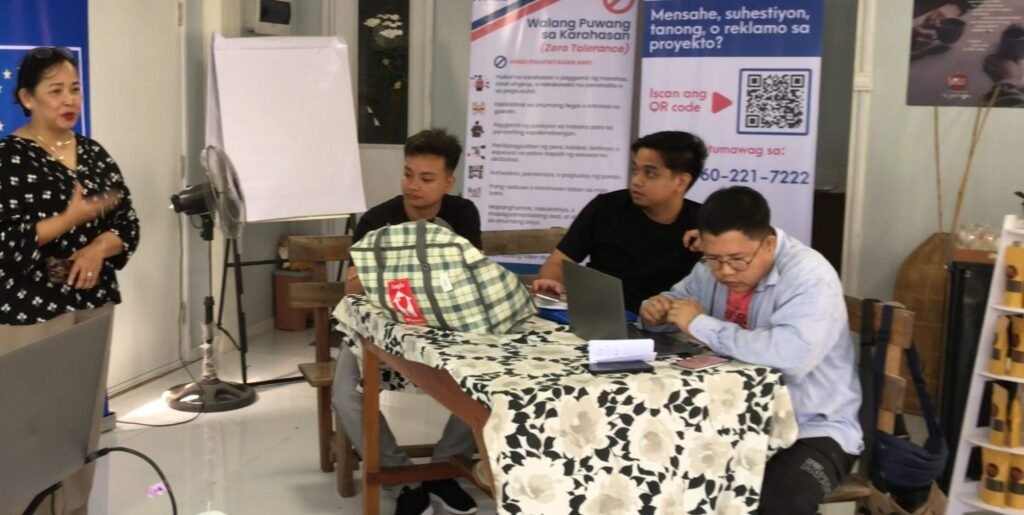
Therefore, peacebuilding must include:
- inclusive livelihoods;
- ethical entrepreneurship;
- Indigenous rights;
- environmental stewardship;
- restorative justice;
- interfaith friendship;
- community dialogue;
- responsible governance.
Economic justice and peace are inseparable.
The Coffee Story
Coffee for Peace has long demonstrated that coffee can become much more than an agricultural commodity.
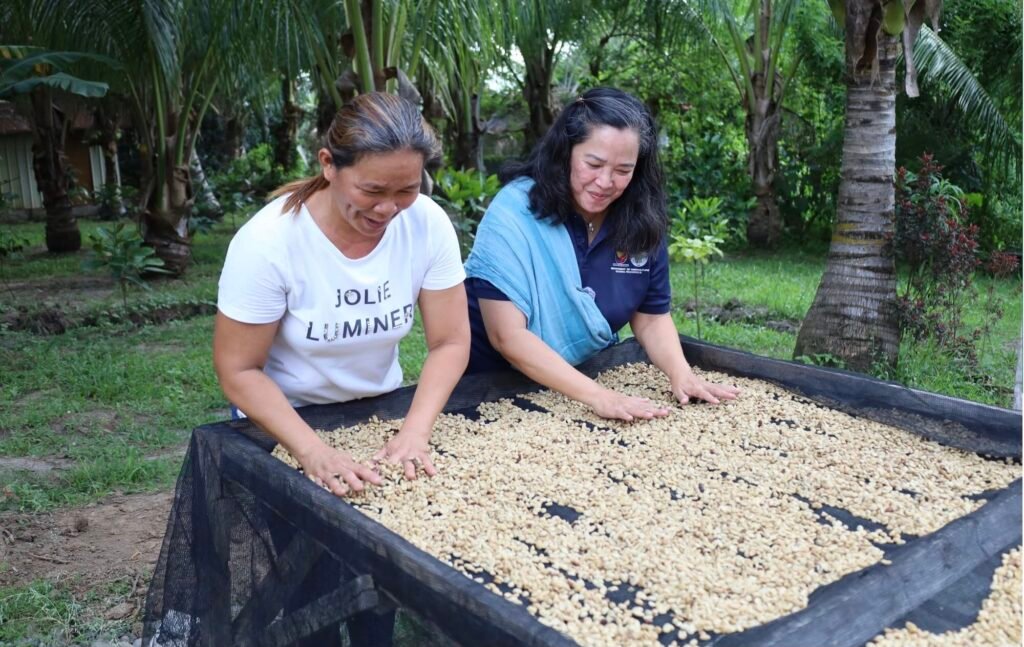
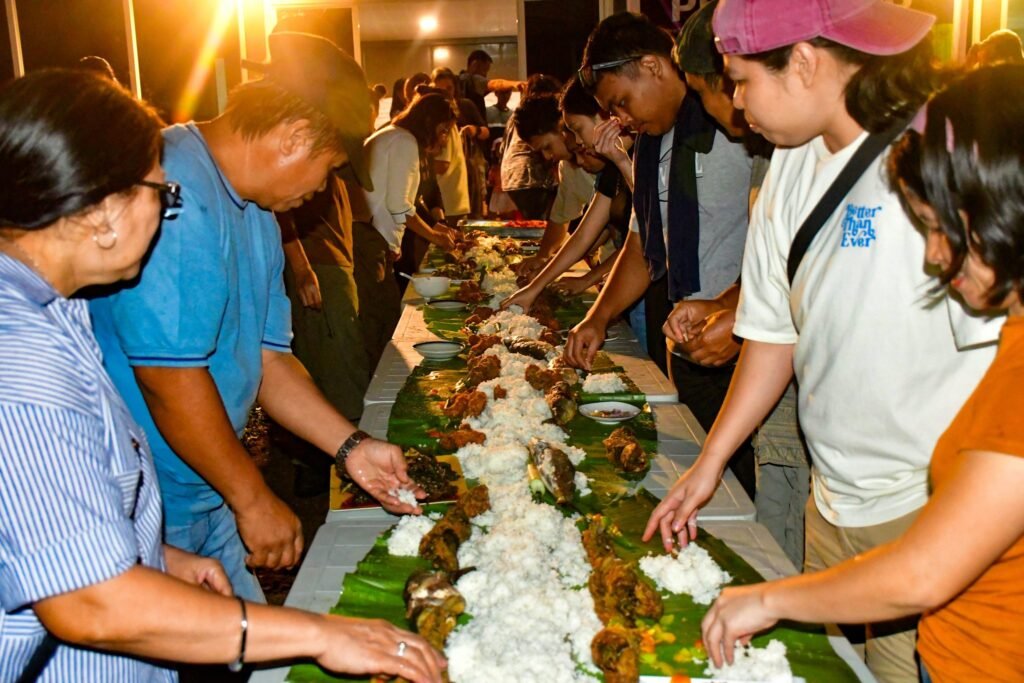
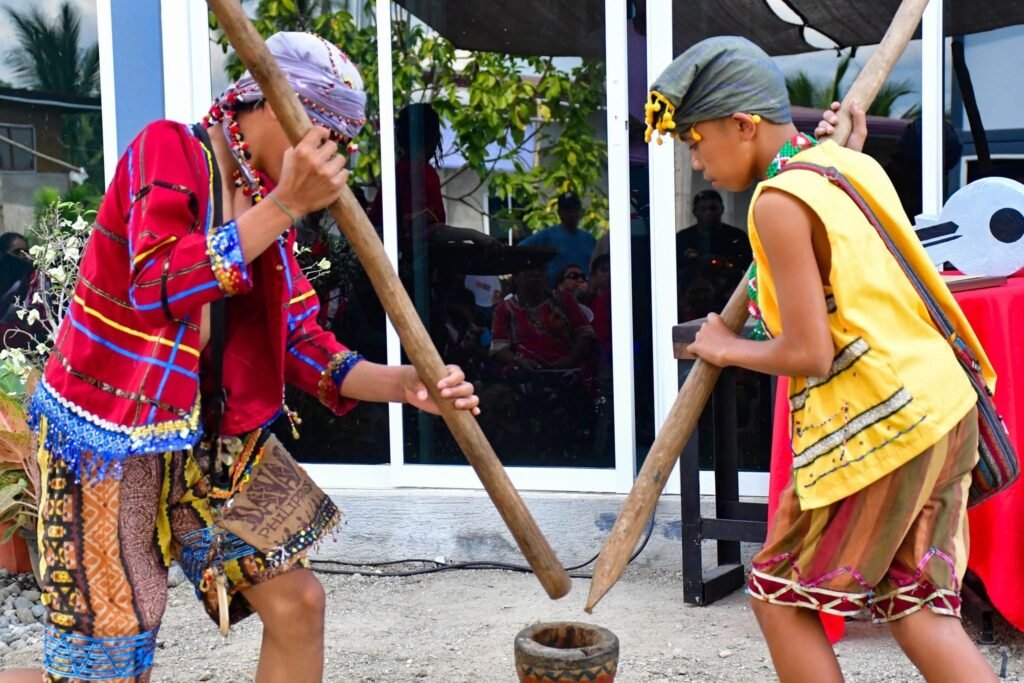
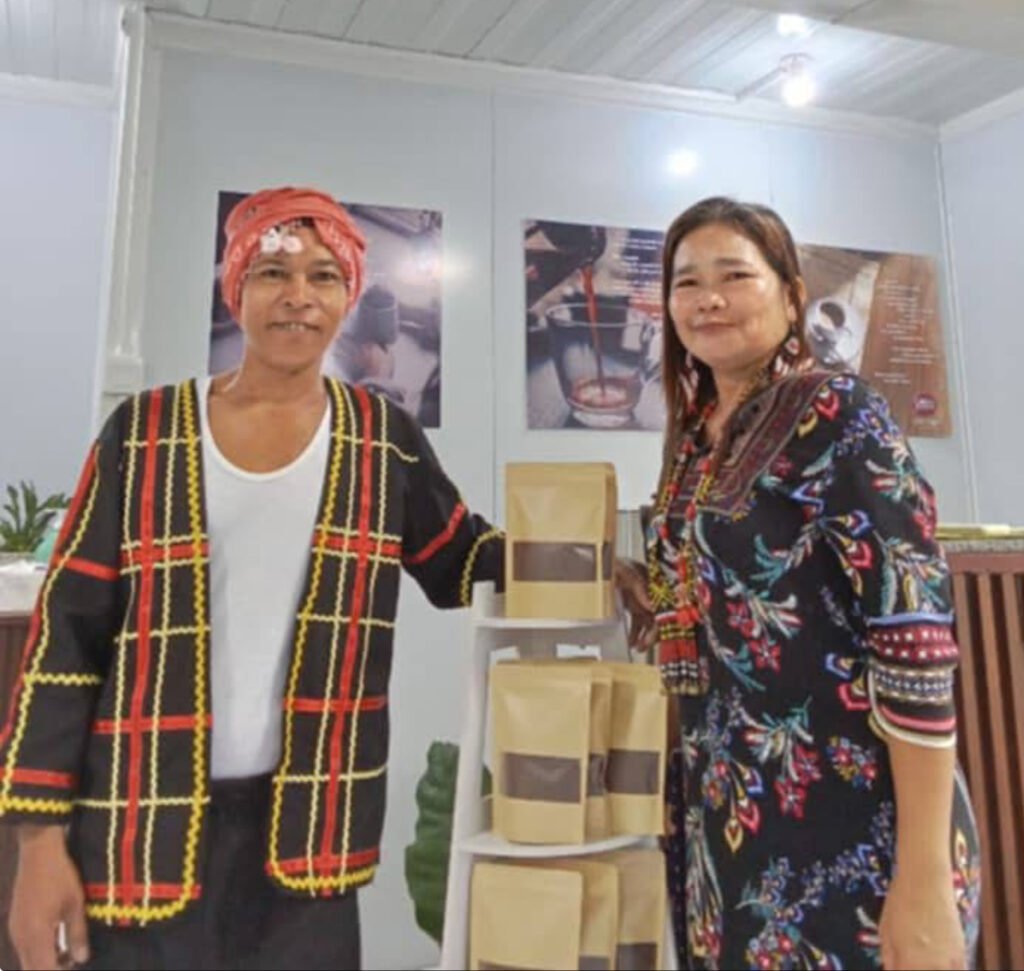
Coffee can become:
- reconciliation between former enemies;
- dignified livelihoods for Indigenous communities;
- opportunities for women entrepreneurs;
- environmental restoration;
- bridges between rural farmers and ethical consumers.
Malipayon Peace Hub seeks to expand this philosophy into an entire ecosystem of learning, hospitality, agriculture, leadership formation, and community enterprise.
A Living Laboratory
I envision Malipayon Peace Hub becoming a living laboratory where visitors experience:
- regenerative farming;
- Indigenous Knowledge Systems and Practices;
- peacebuilding education;
- ecological spirituality;
- ethical entrepreneurship;
- sustainable tourism;
- community innovation;
- intergenerational learning.
Not merely classrooms. Living classrooms.
Not merely seminars. Transformational experiences.
Hope Begins Locally
The future will not be built only through international conferences or government programs.
It will also emerge from ordinary communities willing to become extraordinary examples.
- One restored watershed.
- One cooperative.
- One Indigenous village.
- One ethical enterprise.
- One coffee farm.
- One family.
- One community at a time.
That is how lasting transformation grows.
Our Continuing Invitation
Malipayon is a Cebuano word that means joyful, happy, and flourishing.
That flourishing is not reserved for a privileged few.
It is the Creator’s invitation for all creation.
Our dream is that Malipayon Peace Hub will become more than a destination.
It will become a signpost.
A signpost pointing toward a future where justice nurtures peace, where people regenerate the land, where communities create shared prosperity, and where hope becomes visible.
That future is already beginning.
One relationship, one harvest, and one act of peace at a time.