INNOVATING JUSTICE AND GOVERNANCE: SPEAKING AT THE “FIRST LUMIN-AWA INTERNATIONAL MULTIDISCIPLINARY RESEARCH CONFERENCE 2026”
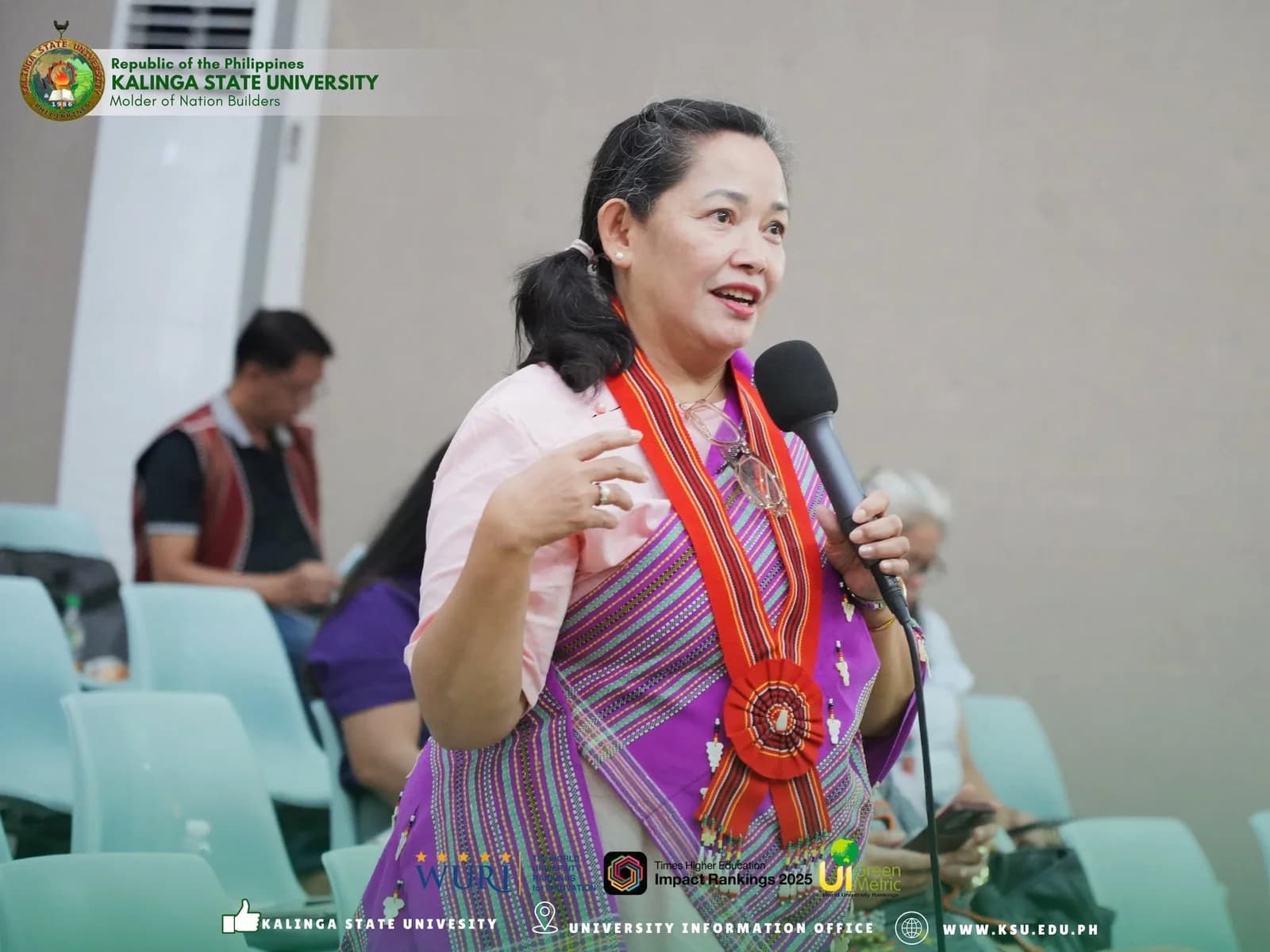
It was both an honor and a privilege for me to serve as one of the plenary speakers at the First Lumin-awa International Multidisciplinary Research Conference (LIMRC) 2026, held from May 25–27, 2026, at Teatro Kalinga, Kalinga State University (KSU), Bulanao Campus, Tabuk City. The conference was anchored on a theme that deeply resonates with my own life and work: “Innovating Justice and Governance: Multidisciplinary Pathways to Equity, Inclusion, and Sustainable Development.” For me, these words are not merely academic concepts. They are realities that I have encountered through decades of working with conflict-affected communities, Indigenous Peoples, farmers, women, social entrepreneurs, peacebuilders, and community leaders in Mindanao. KSU brought together researchers, educators, practitioners, government leaders, and development partners from the Philippines and abroad. The university organized the conference in partnership with several Cordillera state universities, including Ifugao State University, Benguet State University, Abra State Institute of Science and Technology, Mountain Province State University, and Apayao State College. The partnership itself was significant because it demonstrated that knowledge becomes more powerful when institutions collaborate rather than work in isolation.
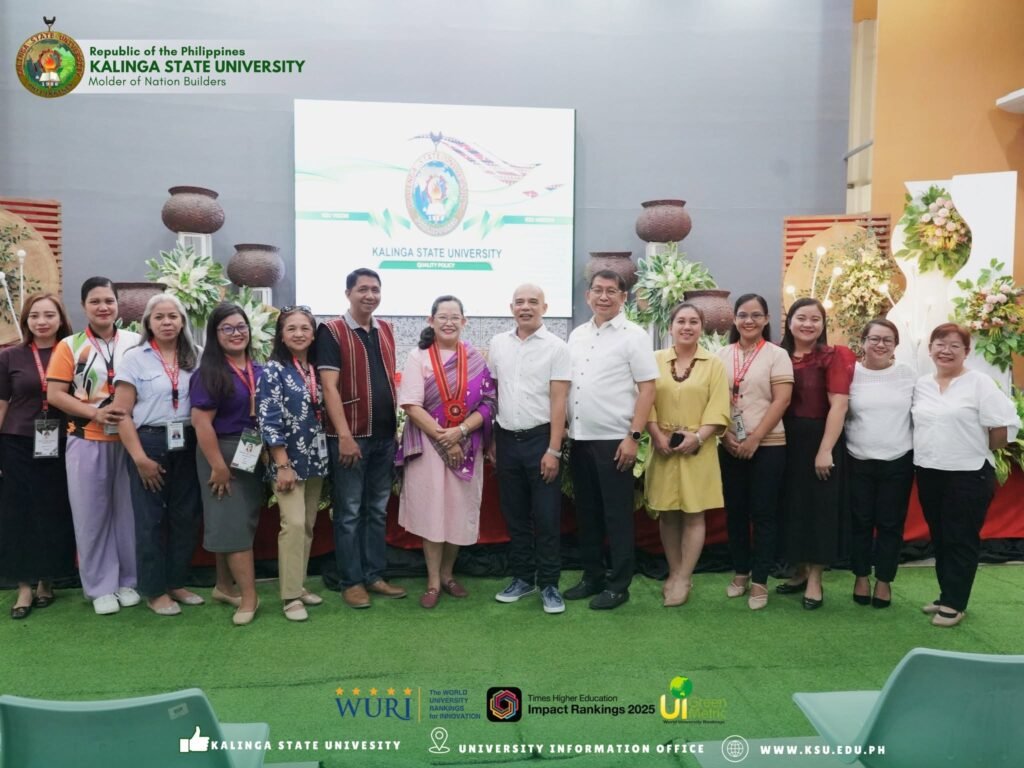
Lumin-Awa: Light That Leads To Transformation
I was particularly drawn to the meaning attached to “Lumin-awa.” KSU President Dr. Joy Grace P. Doctor described the concept in terms of light, compassion, and shared humanity. (KSU) This understanding speaks to me deeply. I have learned throughout my journey that peacebuilding begins with illumination. We illuminate realities that have remained hidden. We illuminate voices that have been ignored. We illuminate systems that produce injustice. We illuminate the wisdom of communities that are often treated merely as beneficiaries rather than as holders of knowledge.
But illumination cannot be the final destination.
To illuminate is to transform.
If research merely describes poverty but does not help communities change the conditions that produce poverty, something is missing. If governance speaks about inclusion but Indigenous Peoples continue to be excluded from decisions concerning their ancestral territories, something is missing. If development increases economic indicators while destroying relationships, cultures, ecosystems, and human dignity, something is missing.
For me, meaningful research must eventually become meaningful action.
From Mindanao To the Cordillera: Different Contexts, Shared Struggles
My participation at Kalinga State University also reminded me of the profound connections between the peoples of Mindanao and the Indigenous communities of the Cordillera. Our histories and cultures are not identical. Our political contexts are different. But many of our struggles are remarkably familiar. Indigenous communities continue to confront questions concerning ancestral domains, self-determination, cultural integrity, access to resources, livelihood, political participation, and the preservation of Indigenous Knowledge Systems and Practices.
These are not merely development problems. They are questions of justice, identity, dignity, and power.
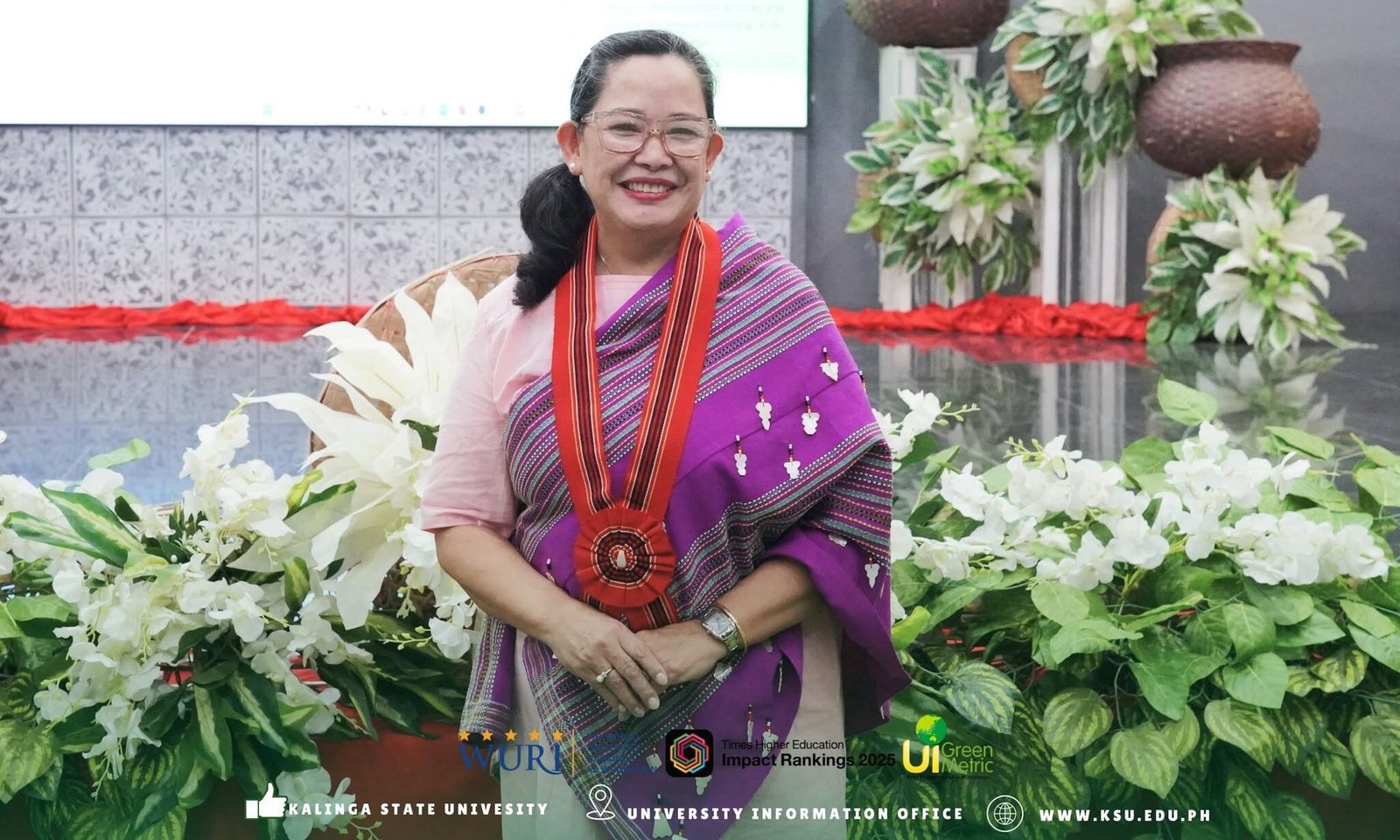
My work through Coffee for Peace, Inc. and PeaceBuilders Community, Inc. has taught me that we cannot understand these realities from a distance. We have to listen.
Listening, for me, is an act of love.
When we listen seriously to communities, we discover that people already possess knowledge, resilience, leadership, creativity, and solutions. What they often need is not someone to “save” them, but partners who will walk with them, respect their agency, and help create conditions in which their own capacities can flourish.
Justice-Based Peacebuilding
The theme of LIMRC 2026 gave me an opportunity to connect academic inquiry with what we have learned through peacebuilding practice.
Peace is transformative harmony. It involves harmony with the Creator, harmony within ourselves, harmony with other people, and harmony with creation.
This means that peacebuilding cannot be separated from justice. Where people experience structural exclusion, discrimination, land dispossession, poverty, violence, or denial of their basic rights, merely asking them to “live peacefully” is insufficient.
Peace without justice can become an invitation to tolerate injustice. This is why our work in conflict-affected communities has always attempted to integrate Peace and Reconciliation, Indigenous Knowledge Systems and Practices, human rights, trauma healing, justice advocacy, and inclusive development.
The objective is not simply to resolve individual conflicts.
The deeper task is to transform relationships and structures that continuously reproduce conflict.
Social Entrepreneurship As A Peacebuilding Strategy
My experience with Coffee for Peace has also taught me that economics and peacebuilding cannot be separated. A cup of coffee can become a bridge. A farmer can become an entrepreneur. An Indigenous community can become an economic actor. A cooperative can become a platform for collective empowerment. A business can become an instrument for social transformation.
This is the philosophy behind Coffee for Peace: using enterprise as one of the practical vehicles for creating economic opportunities while contributing to peace and community transformation.
Our experience has shown me that social entrepreneurship becomes transformative when we move beyond the question: “How much profit can we make?” and begin asking: “Whose lives are becoming better because this enterprise exists?”
That is a fundamentally different way of understanding business. It places people, planet, and purpose alongside financial sustainability.
Research Must Return To the People
One of the most important reflections I carried with me from Lumin-awa is the responsibility of researchers.
Academic institutions possess enormous power. They have the power to name problems. They have the power to define what counts as knowledge. They have the power to influence policies. They have the power to shape future generations of leaders.
Because of this, research must be practiced with humility.
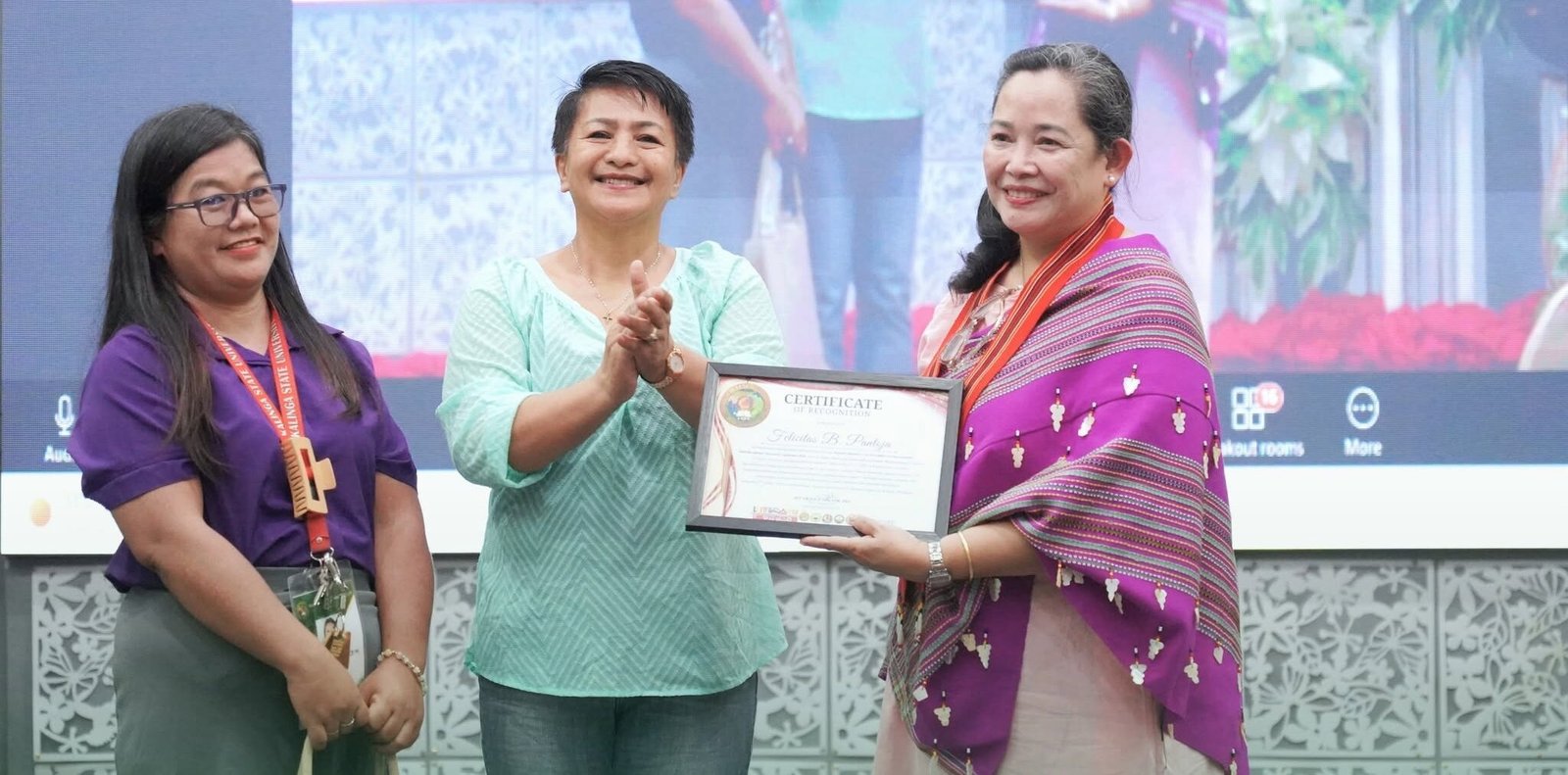
We must ask: Who defines the problem? Whose knowledge is considered legitimate? Who participates in generating the solution? Who benefits from the research? Where does the knowledge eventually return?
For communities that have historically been researched by outsiders, these questions are particularly important. I believe that research should increasingly become participatory, community-centered, rights-based, and accountable to the people whose lives are being studied.
Indigenous Peoples should not simply be objects of research. They should be research partners, knowledge holders, co-creators, and decision-makers. This is one way academic institutions can contribute to decolonizing knowledge.
Multidisciplinary Thinking for Complex Problems
The word “multidisciplinary” in the conference title is also important.
The problems confronting humanity today do not fit neatly into academic departments. Climate change is simultaneously an environmental, economic, political, agricultural, cultural, and spiritual concern. Poverty is simultaneously an economic, educational, health, governance, and justice concern. Conflict is simultaneously historical, political, psychological, cultural, economic, and relational. Indigenous Peoples’ struggles involve law, governance, economics, ecology, anthropology, history, spirituality, and human rights.
Therefore, our responses must also be interconnected.
This is why I value dialogue between academics and practitioners. Researchers can contribute evidence and rigorous analysis. Communities contribute lived experience and Indigenous knowledge. Social entrepreneurs contribute practical mechanisms for economic empowerment. Peacebuilders contribute frameworks for transforming relationships and conflict. Government contributes policy and institutional mechanisms.
When these forms of knowledge meet with mutual respect, something new becomes possible.
Equity Is More Than Equal Treatment
Another important insight from the conference theme is the distinction between equality and equity.
Treating everyone exactly the same does not necessarily produce justice.
Communities begin from different historical circumstances. Some have greater access to education, capital, technology, political power, and social services. Others have inherited generations of exclusion.
Equity therefore requires us to recognize differences in historical experience and structural position. It asks us not simply to give everyone the same thing, but to create conditions in which everyone has a genuine opportunity to flourish. This is particularly important when we work with Indigenous Peoples and communities affected by conflict.
Governance Must Begin with Relationship
I have also learned that governance is ultimately about relationships.
We often talk about governance in terms of institutions, laws, policies, budgets, procedures, and accountability mechanisms. All of these are necessary.
But governance also depends upon trust. People must trust institutions. Leaders must listen to communities. Communities must have meaningful participation. Different cultural groups must be able to negotiate their differences without violence. Institutions must be accountable to the people they serve.
For me, good governance therefore requires more than administrative efficiency. It requires ethical leadership, participation, transparency, inclusion, justice, and compassion.
Why This Conference Matters
The significance of Lumin-awa 2026 extends beyond the three days of presentations and discussions.
It represents an important conversation about what universities can become in a rapidly changing world. Universities should not merely produce graduates. They should help produce wise citizens, ethical leaders, critical thinkers, researchers, innovators, and community partners. They should become bridges between knowledge and society. And perhaps most importantly, universities should have the courage to ask uncomfortable questions about the systems that produce inequality and exclusion.
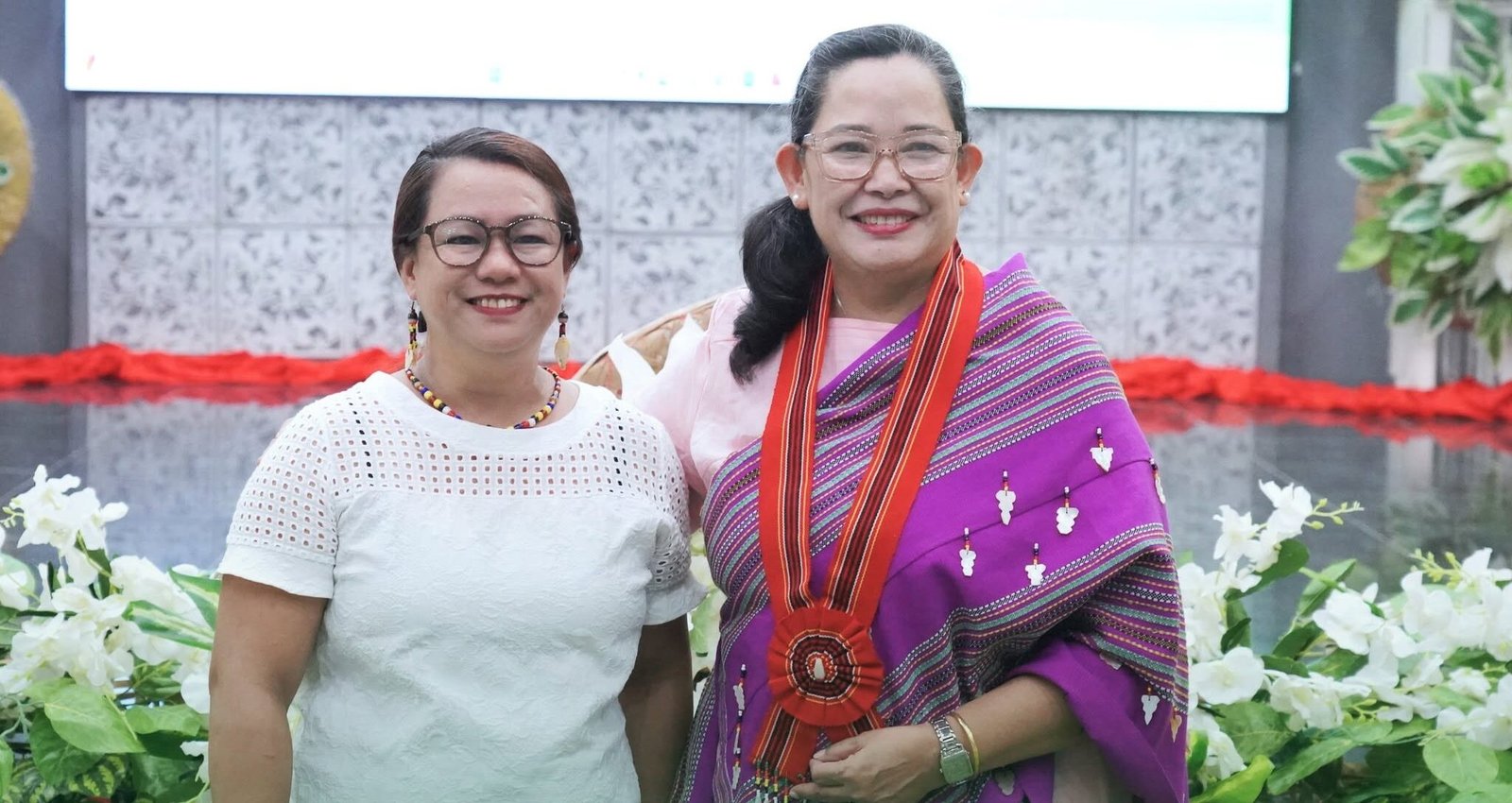
The conference’s focus on justice, governance, equity, inclusion, and sustainable development demonstrates the potential of academic institutions to become spaces where difficult realities can be examined honestly and where transformative alternatives can be imagined. KSU’s partnership with the other Cordillera state universities further demonstrates the value of collaborative research and institutional solidarity. (KSU)
From Lumin-Awa to a Larger Movement
I left Kalinga with a renewed conviction that our work in Mindanao is part of a much larger movement.
The challenges facing the Philippines cannot be solved by one organization, one university, one government agency, or one sector.
We need communities, Indigenous leaders, researchers, universities, entrepreneurs, government institutions, civil society, faith communities, and young people to learn from one another.
We need to move from competition toward collaboration. From extraction toward regeneration. From exclusion toward participation. From charity toward empowerment. From conflict management toward conflict transformation. From conventional business toward social entrepreneurship. From research about communities toward research with communities. And from development imposed from above toward development shaped by the people themselves.
A Deeper Meaning Of Light
For me, Lumin-awa is more than a conference. It is a metaphor for the kind of leadership I want to continue nurturing. Light does not exist for itself. Light enables us to see. And when we see clearly, we become responsible for what we see. When we see injustice, we cannot pretend that it does not exist. When we see suffering, we are called to respond. When we see the wisdom of Indigenous communities, we are called to respect it. When we see possibilities for transformation, we are called to participate. When we see hope, we are called to nurture it.
This is why I am grateful to Kalinga State University and its partner institutions for creating a space where research, justice, governance, inclusion, and sustainable development could meet.
I am grateful for the opportunity to represent Coffee for Peace and to share lessons from our journey with communities in Mindanao.
And I am especially grateful for the researchers, educators, students, community leaders, and practitioners who continue to believe that knowledge should serve humanity.
To Illuminate Is to Transform
The first Lumin-awa International Multidisciplinary Research Conference has concluded, but its deeper conversation must continue.
The real measure of a conference is not how many papers are presented.
It is what happens afterward.
Do researchers return to their communities with greater humility? Do policymakers listen more carefully? Do universities become more responsive? Do communities gain greater agency? Do Indigenous knowledge systems receive greater respect? Do social innovations become more accessible? Do relationships become more just? Do people who have been marginalized find greater space to participate?
If the answer is yes, then research has become more than research. It has become service.
And knowledge has become more than knowledge. It has become a pathway toward transformation.
This is the meaning I carry from Lumin-awa.
To illuminate is to see.
To see is to understand.
To understand is to care.
To care is to act.
And to act together is to transform.
May we continue illuminating pathways toward justice, peace, inclusion, and sustainable development—not only in our universities, but in the communities where real life is lived.