WHEN KINSHIP CROSSES GENERATIONS: BAI MADIGAR RETURNS TO THE BAGOBO TAGABAWA COMMUNITY
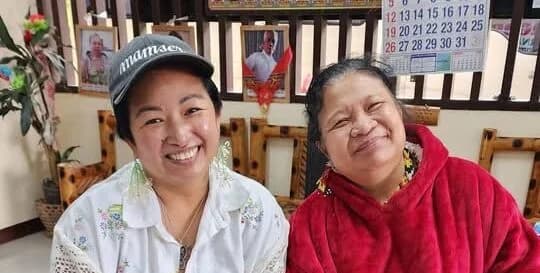
There are journeys that take us to places, and there are journeys that bring us home to relationships. For me, Bai Madigar’s return to the Bagobo Tagabawa community was the latter. Her presence reminded me that kinship is not confined by blood, age, geography, or even generations. It grows through relationships of trust, respect, hospitality, shared memory, and mutual care. As a member of the Malik Clan of the Bagobo Tagabawa community, I have come to understand that belonging carries both joy and responsibility. What one generation begins, another generation can inherit, deepen, and carry forward. Seeing Bai Madigar, together with Byron and his family, reconnect with our Indigenous relatives touched me deeply. It was more than a family gathering; it was a living expression of intergenerational solidarity. For me, this is the beauty of peacebuilding: relationships becoming bridges, memory becoming heritage, and kinship becoming a pathway toward a more just and harmonious future.
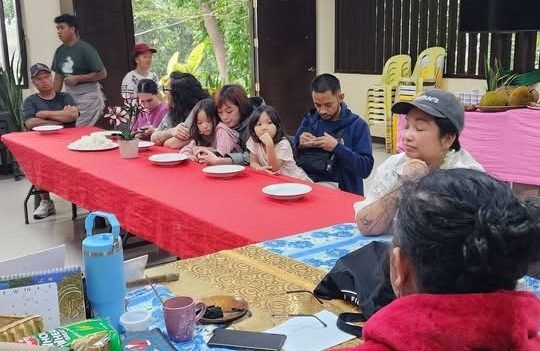
A daughter, a family, a tribal community—and the beautiful work of becoming kin.
There are moments in life when I realize that the seeds we planted many years ago are beginning to grow in ways we could never have planned.
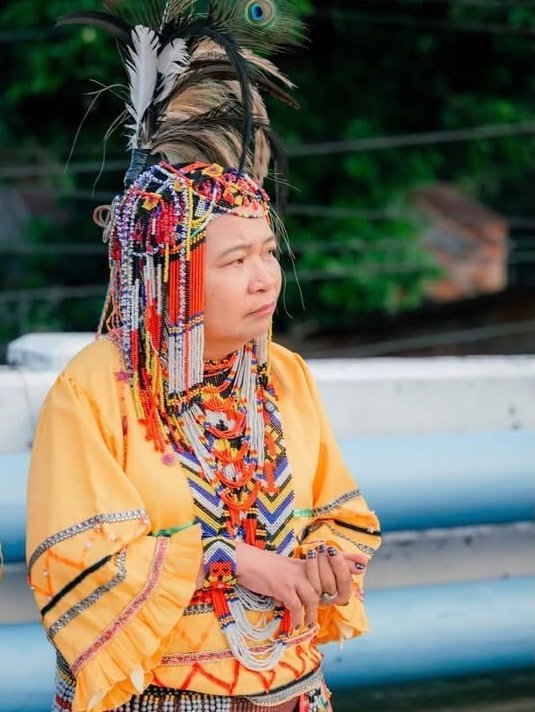
One of those moments happened when our daughter, LéLé Chan—Bai Madigar, Lady of Goodness—visited Bai Jerlina Owok and the Bagobo Tagabawa community, this time together with her brother Byron and his family.
With her were Byron Pantoja, Mandy Velasco Pantoja, Zylie, Nali, Eyna Cuevo, and LéLé’s friend Cristina from Vancouver.
For me, this was more than a family visit. It was a beautiful manifestation of next-generation kinship.
From A Name To A Relationship
In March 2026, I wrote about how our daughter LéLé was embraced by the Bagobo Tagabawa community of Binaton and given the name Bai Madigar, meaning “Lady of Goodness.”
I emphasized then that Indigenous naming is not simply about receiving an honorific title. It is about entering into a relationship.
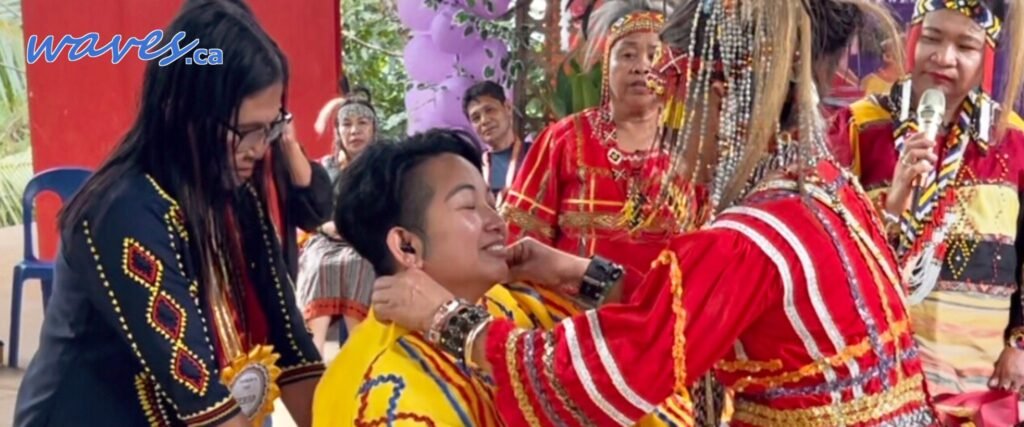
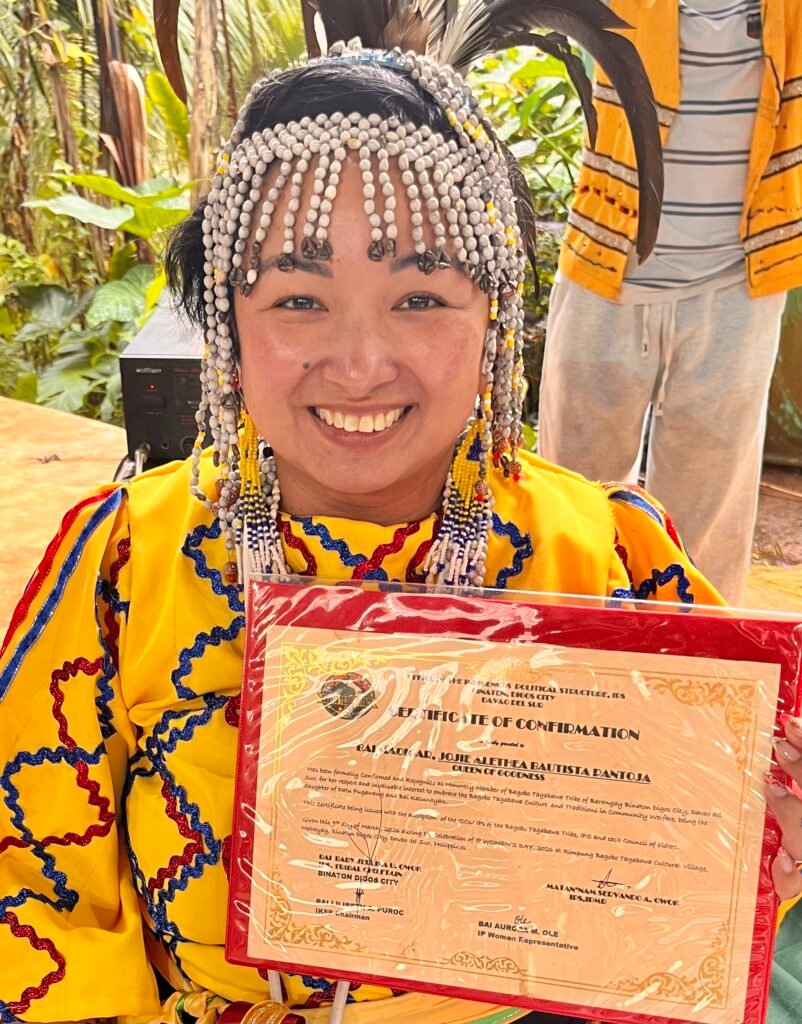
The Bagobo Tagabawa community did not merely give our daughter another name. They opened a door of kinship. They were, in a profound sense, saying: “You belong with us. Walk with us. Care with us.” That understanding of kinship is important to me. Kinship is not simply biological. Kinship can be created through trust, hospitality, mutual care, shared experiences, and a commitment to walk together across generations.
And now I see something even more beautiful happening. LéLé is beginning to carry this relationship forward herself.
Bai Jerlina Owok: A Bridge Between Generations
At the heart of this continuing relationship is Bai Jerlina Owok, a respected Bagobo Tagabawa tribal leader whose leadership has helped strengthen cultural identity, ancestral-domain stewardship, sustainable livelihoods, and relationships between the Indigenous community and its partners.
Our relationship with the Bagobo Tagabawa community has developed over many years.
Since 2015, our journey through peacebuilding, coffee, social enterprise, environmental stewardship, and Indigenous community development has taught me something that no classroom could adequately teach:
Peace is relational.
- It is built by showing up.
- It is built by listening.
- It is built by sharing meals, stories, struggles, dreams, and celebrations.
- It is built by returning.
And sometimes, peace is built simply by bringing our children and grandchildren into relationships that earlier generations began.
From Parents To Children
I am deeply moved when I see our children developing relationships with people and communities who have become part of our own life journey. When Joji and I first began walking with Indigenous communities, our children were growing up in Vancouver. Much of our work and advocacy happened in Mindanao while our family life unfolded thousands of kilometers away in Canada.
Today, something different is happening.
The distance between Vancouver and Mindanao is no longer simply geographical. Our children are creating their own bridges. LéLé has been welcomed as Bai Madigar. And now she returns with her brother Byron and his family. This is what I mean by next-generation kinship. It is not about asking our children to inherit our work. It is about giving them opportunities to discover their own relationships with people, cultures, lands, and communities that have shaped us.
A Family Visit Becomes A Peacebuilding Moment
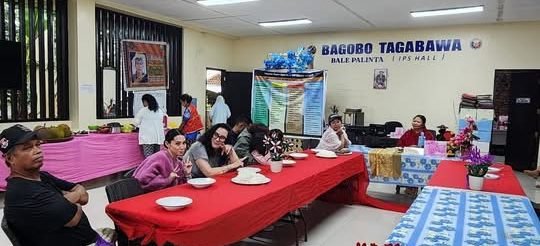
I love the simplicity of this particular gathering. There was no formal conference. No strategic planning session. No training workshop. No organizational agenda. Just family visiting family.
And yet, I believe such moments can be deeply transformative. Byron and Mandy. Zylie, Nali, and Eyna. LéLé and her friend Cristina. Bai Jerlina and the Bagobo Tagabawa community.
Different generations.
Different experiences.
Different places of origin.
But gathered together in relationship.
This is how I understand peacebuilding at its deepest level. Peacebuilding is not only about resolving conflict. It is also about creating relationships before conflict happens. It is about building enough trust that differences do not automatically become divisions. It is about creating a community of belonging where people can say: “You are different from me, but you are not a stranger.”
Indigenous Kinship Teaches Me Another Way of Seeing
My years of walking with Indigenous communities have continually challenged my assumptions about development, leadership, and even peace. Modern society often teaches us to think in terms of individuals, institutions, contracts, transactions, and accomplishments.
Indigenous worldviews often invite us to see something deeper: relationship.
:: Who are we related to?
:: What responsibilities come with that relationship?
:: How do we care for the land that sustains us?
:: What do we owe the generations who came before us?
:: And what are we leaving for those who will come after us?
These questions transform the meaning of development. Development cannot simply mean greater income. Peace cannot simply mean the absence of armed conflict. Leadership cannot simply mean the exercise of authority. And kinship cannot simply mean sharing the same blood.
I am increasingly convinced that our common future depends on our capacity to recover the sacredness of relationship.